Wildlife Watching and Tracking in Croatia
The Woodland Ways Wildlife Watching and Tracking in Croatia expedition is a refined, evidence-led exploration of European wildlife, set within one of the continent’s most intact and quietly powerful ecosystems. Based in and around Risnjak National Park, this experience is designed for those who value depth, patience, and informed observation over chance encounters or spectacle.
Risnjak National Park, Croatia’s first designated national park, encompasses more than 6,000 hectares of old-growth fir, spruce, and beech forest. It is one of the few remaining European landscapes where all three large apex predators—the brown bear, grey wolf, and Eurasian lynx—continue to shape the ecosystem. Their presence is not proven through guaranteed sightings, but revealed through sign, behaviour, and subtle ecological patterns that reward careful study.
This expedition is not about searching for animals. It is about learning how to read the landscape—to interpret tracks, trails, feeding sign, movement corridors, and behaviour with clarity and confidence. Time is spent working with real evidence, deploying and analysing camera traps, and observing wildlife during key activity windows, building a nuanced understanding of how animals truly live within this environment.
Original: $2,001.81
-65%$2,001.81
$700.63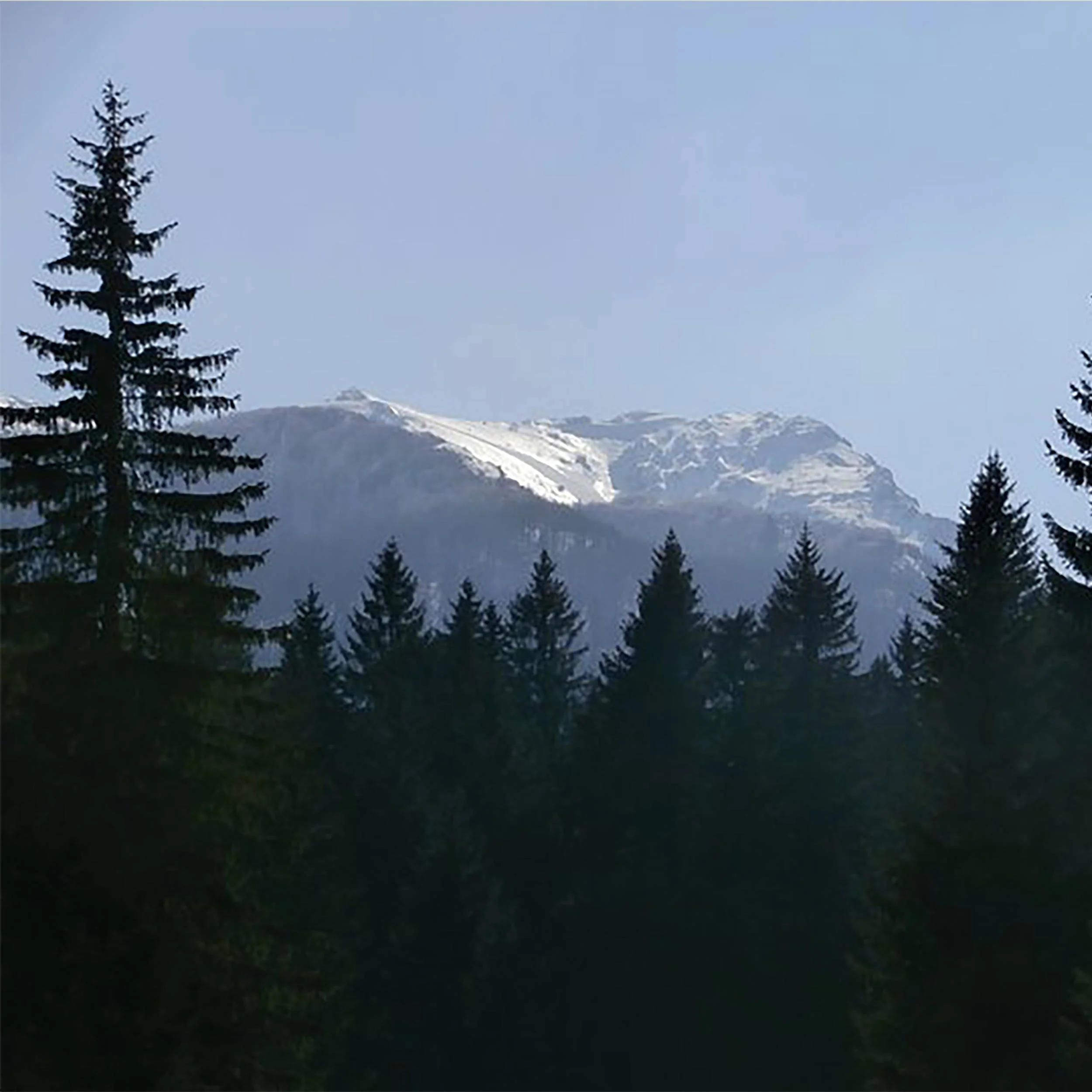
Description
The Woodland Ways Wildlife Watching and Tracking in Croatia expedition is a refined, evidence-led exploration of European wildlife, set within one of the continent’s most intact and quietly powerful ecosystems. Based in and around Risnjak National Park, this experience is designed for those who value depth, patience, and informed observation over chance encounters or spectacle.
Risnjak National Park, Croatia’s first designated national park, encompasses more than 6,000 hectares of old-growth fir, spruce, and beech forest. It is one of the few remaining European landscapes where all three large apex predators—the brown bear, grey wolf, and Eurasian lynx—continue to shape the ecosystem. Their presence is not proven through guaranteed sightings, but revealed through sign, behaviour, and subtle ecological patterns that reward careful study.
This expedition is not about searching for animals. It is about learning how to read the landscape—to interpret tracks, trails, feeding sign, movement corridors, and behaviour with clarity and confidence. Time is spent working with real evidence, deploying and analysing camera traps, and observing wildlife during key activity windows, building a nuanced understanding of how animals truly live within this environment.